
3 Month Implementation Strategy
European Rail Timetable Case Study - From Product-Led to Structured SEO Strategy
Delivered a 36-page SEO and content strategy roadmap
Created a 3-month plan with 12 ready-to-use content outlines
Defined a UK-first approach to support focused, scalable expansion
Overview
European Rail Timetable (ERT) has long been the go-to for Europe-related rail timetable products and has built a well-established platform centred around its core product offering.
Their consistent, weekly updates and newslines make them one of the go-to authorities for rail information. Despite this, there was a clear opportunity to expand beyond this and connect to a broader audience through educational content.
The objective of this project was to introduce a clear direction for that transition. Rather than producing disconnected content, the focus was on creating a structured, 3-month, timeline-led approach that allows the business to naturally expand into educational content while extending its current offering.
The Problem - Growth Potential Without Clear Direction
The website had strong foundations, especially with its shop and product offering. That focus, however, meant there was limited supporting content for broader travel queries. Similarly, there was no clear structure to outgoing content.
Their “Newslines” series focused on weekly rail updates, and their “Editorial” posts highlighted edits to their products, neither of which would appeal to the average user nor would they capture search intent.
“Travel Articles” touched on more niche topics, but a lack of content strategy led to a scattershot approach akin to throwing a dart at a spinning dart board. This limited visibility for general keyword positioning beyond product-related keywords made it difficult to scale with intent.
The idea and potential were there, but a defined path was needed.
The Strategy - Depth & Authority First, Then Expand
My approach centred on introducing structure and focus, ensuring that content expansion was both strategic and manageable. Since the European Rail Timetable covers Europe, there are plenty of countries we could focus on. Rather than targeting multiple of these at once, I made the UK the priority.
This would allow European Rail Timetable to concentrate its efforts on its main core audience, creating meaningful depth before expanding into additional regions.
As the client’s team were not as well-versed in SEO as I was, introducing these strategies and ideas in an easy-to-digest manner would help make them more actionable.
Thus, this strategy focused on:
- Developing a UK-focused content pillar, aligned with real travel queries
- Establish a framework that supports educational content alongside their product offering
- Establish a repeatable structure that they can carry over to other regions for future expansion
- Align SEO, content, and distribution into a single, cohesive direction
- Prioritising actions based on impact and available resources
This helped ensure the business could expand with intention rather than spread itself too thin trying to do everything at once.
The Delivery - An Actionable Implementation Plan
One of my core goals for this project was to ensure my deliverables were as user-friendly as possible. It doesn’t matter how good a document is, or the advice given, if the recipient can’t understand it.
As such, I split it into three main deliverables, which you can read more on below.
Digital Audit
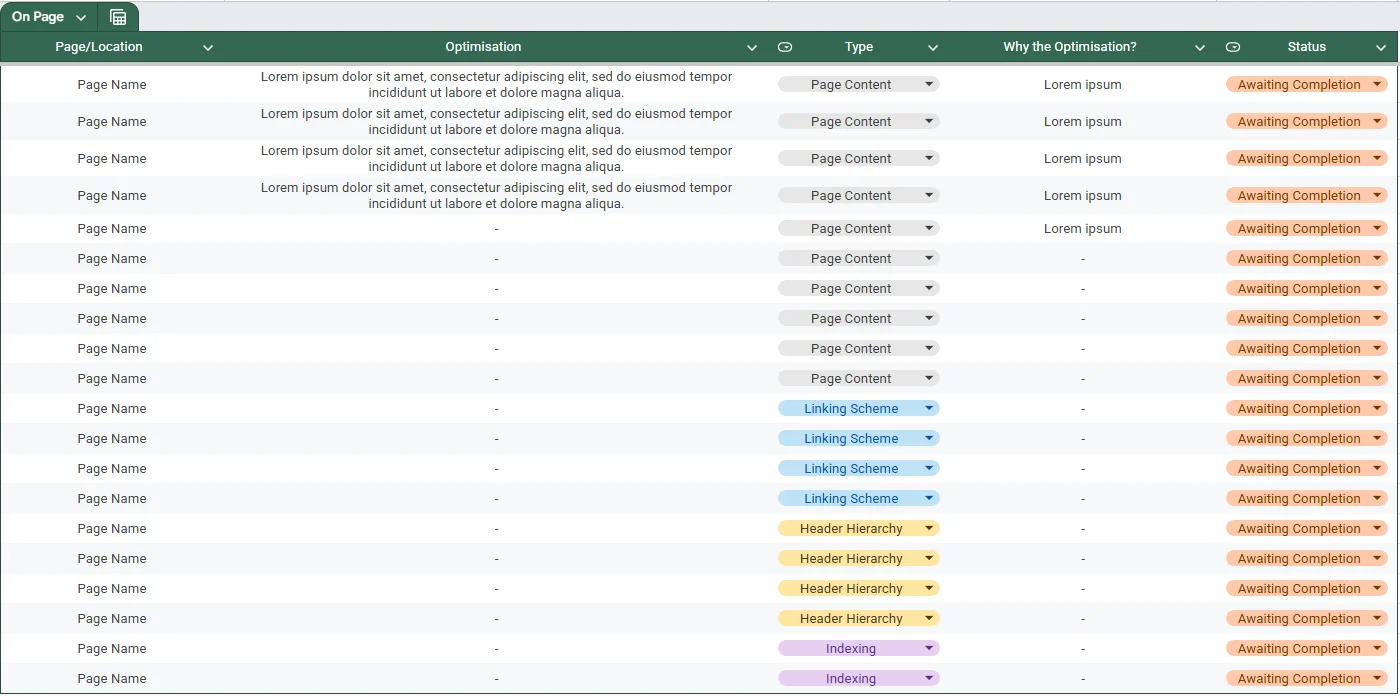
This involved a full audit of all digital assets, presented in a clear, actionable Google Sheet format for development use. Assets included the website and all pages, social channels, newsletters, and Google My Business.
Since actioning site changes was not part of my responsibilities, the Google Sheet was a primary part to ensure that the developer – with no direct communication with me – could understand exactly what needed to be done and why.
This also broke down my insights and analysis for the client, helping them to understand why I was making the recommendation.
Click the table image to see how that looked. Of course, I have replaced the data here to respect the client.
Data Report
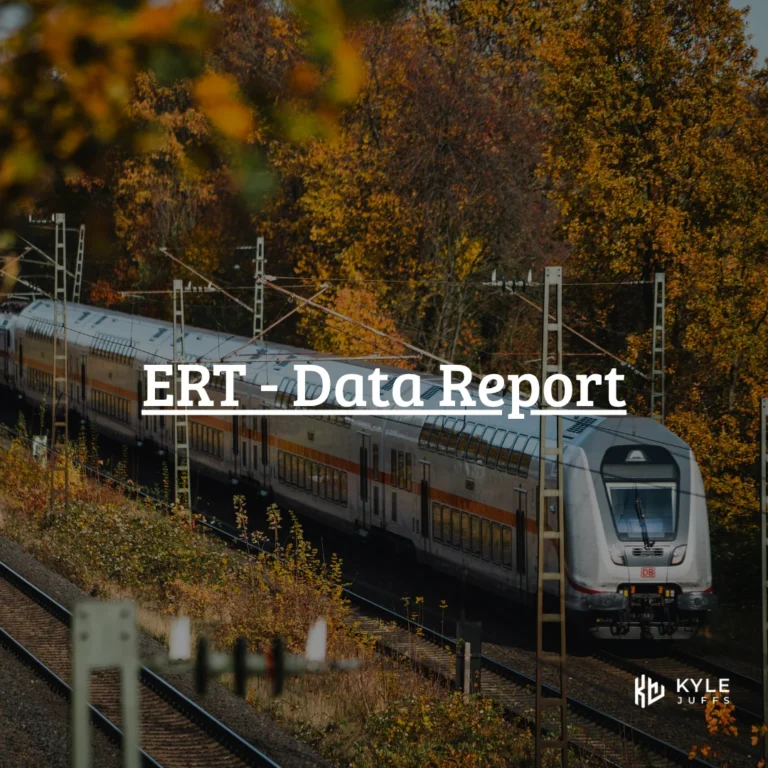
The data report contained a detailed performance and competitor analysis. This wasn’t actually part of the scope of work, but during my research to plan for the implementation report, I figured it would be helpful for the client to have this information.
This provided insight into European Rail Timetables current positioning, both for their domain and their keywords. It also highlighted the same information for their main competitor, allowing them to see the gap in the raw data rather than in assumptions.
This also included some direct analysis from me, which explained the data, my interpretations of it, and how this should help guide future plans.
Implementation Report
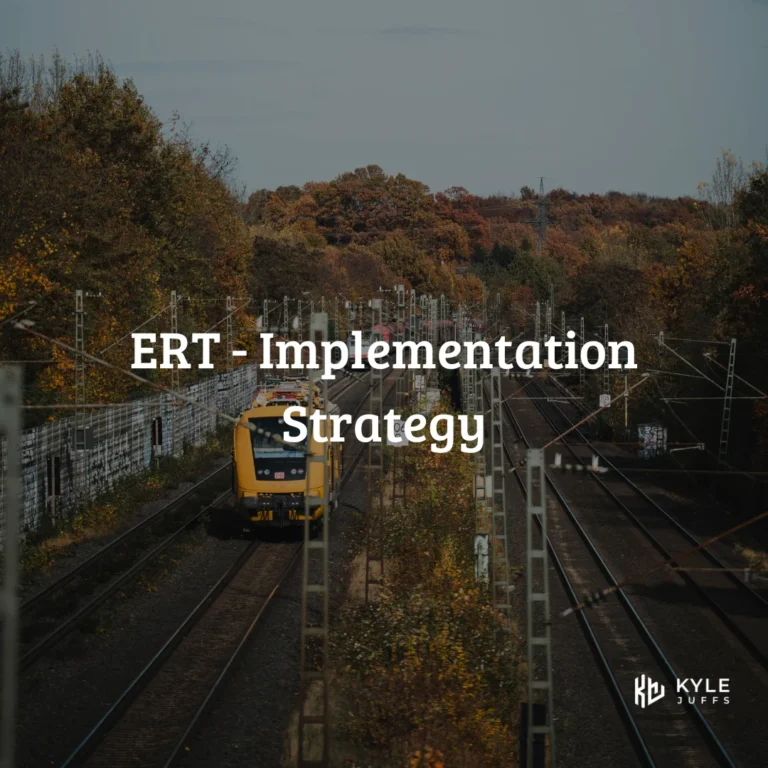
Finally, the full implementation report: A 36-page comprehensive report covering SEO, content, and digital direction.
This report contained a pre-implementation phase that addressed channel optimisation and content planning, 12 fully outlined blog posts (provided via Google Docs) to support the initial UK content pillar, and supporting pages that provide guidance on how best to utilise internal resources.
I designed this document to be easy-to-use and understand, but most importantly, to move beyond theory and give the client the tools needed to execute effectively.
The Outcome - A Clear Expansion Path
Following this work, European Rail Timetable gained a structured and focused approach to growth. One that they could reference time and time again as they move into different regions with their content.
Now, they have:
- A defined starting point for expanding into educational content without sacrificing their product positioning
- A clear roadmap of what to prioritise and when
- A content framework that can be replicated
- A greater understanding of its competitive landscape and where they sit in its niche
- Alignment between its product offering and broader user needs
Their platform can now evolve from a purely product-led site into a more comprehensive travel resource with natural opportunities to introduce supporting products in the future.
Strategic Insight
When looking to expand into content, producing more articles might seem like the most logical approach, but it can often be the most dangerous.
Without structure and focus, efforts often become scattered and fail to build meaningful traction. Not to mention the sunk cost of throwing resources at a blog only to find nothing is ranking. In this case, if ERT were to attempt to create content for multiple regions at once, you’d have a sea of single posts that don’t dive into depth, limiting their ability to capture search intent, but most importantly, reducing their usefulness for users.
By narrowing the focus into a single market and aligning content with real user intent, you create depth first. Building authority and depth allows you to generate a foundation for broader expansion in the future.
The phrase “Wide as an ocean, deep as a puddle” is the perfect idiom to represent the approach you don’t want to take.
Build a Clear Direction for Your
Digital Growth
If your business is looking to expand its reach through content, the challenge is rarely a lack of ideas. Knowing what to prioritise and having the structure to expand effectively is often what’s missing.
A clear, focused approach helps you build momentum where you need it and create a foundation that supports long-term visibility and engagement, allowing you to make decisions smoothly in the future.
If you’re looking for support getting there, similarly to how European Rail Timetables were, get in touch.